

SERMONS
Click here to watch sermons on our YouTube page.
Also find us in your podcast app under “Holy Trinity Lutheran Church” or listen on Soundcloud.

Green or white for the Feast of Creation in Christ?
When describing the new feast to our Wednesday study group, someone asked what the appointed liturgical color would be. Oh, I said, wait for the sermon!

Tell it to the church
We are not meant to carry everything alone. When something goes wrong between us, we need community. Not an audience or a jury. Not an angry mob, but a loving community.

Losing everything
Loss is a universal human experience, yet its form takes different shapes throughout our lives. We may grieve the loss of a spouse or child or pet or a beloved one. It may be the loss of a dream or image of ourselves. Losses that result from illness and accidents and the unexpected twists and turns of living. And in these and others, it feels like we are losing everything that matters to us.

Risks of love
The risks of love draw us into relationship. The person who risks their safety standing for justice, that person may find a deeper sense of community in the struggle. The person who allows themself to be vulnerable, to accept correction and try to change, they discover what it truly means to be known and to belong. We don't take up our cross because suffering is good; we take it up because love is good. And often love is tied to heartache, worry, or grief.

Mirror, mirror on the wall
While looking in the mirror, Saint Paul exhorts us to not think too highly of ourselves. To not be conformed to this world, but to be transformed. To use our gifts for the common good. To offer our bodies—our whole selves—as spiritual worship. To be mirrors of divine grace.
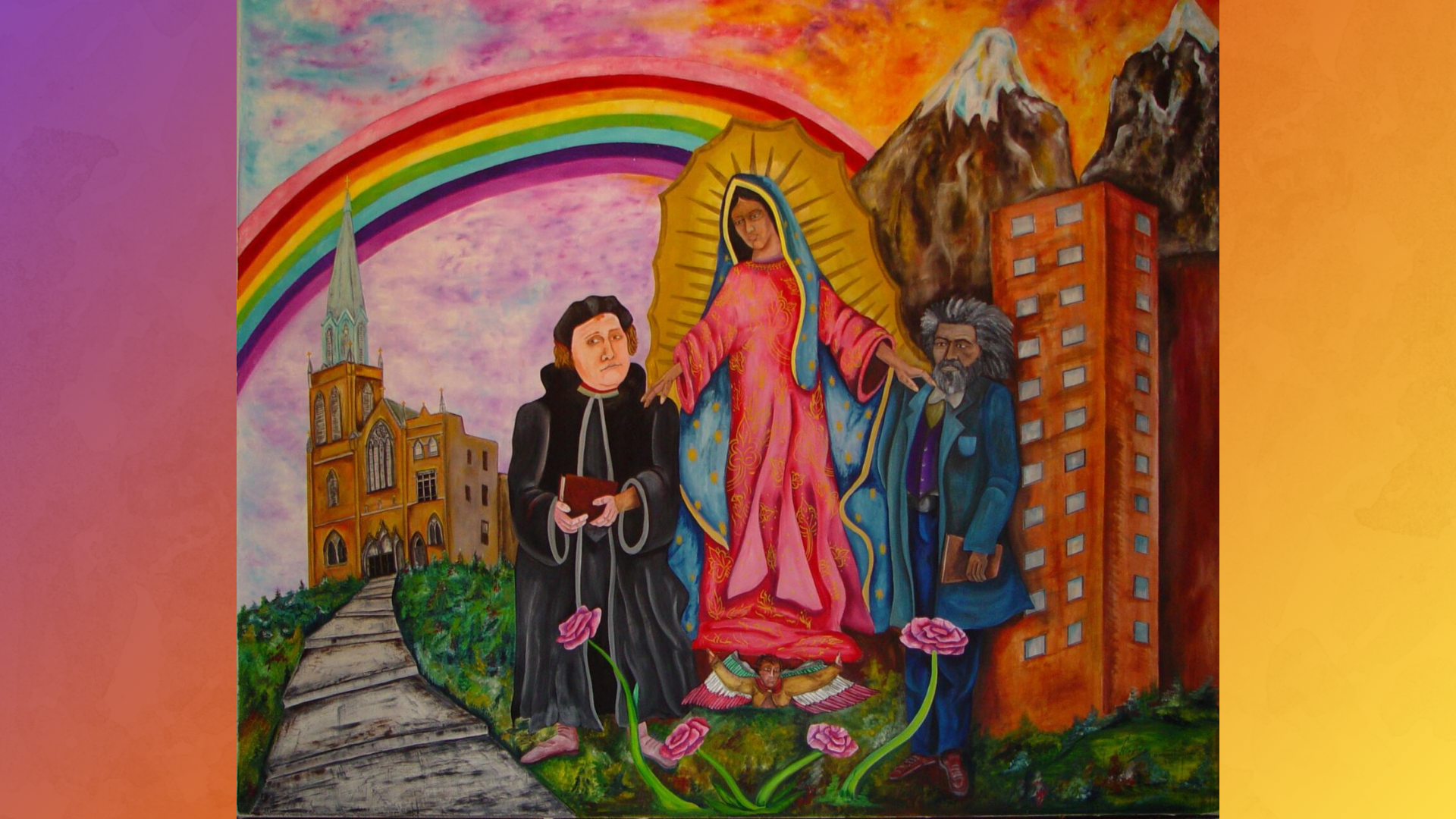
Does She Belong?
Though Mary is considered the most famous woman in history, for centuries she has been demoted in most Protestant churches. Mary is for Orthodox and Roman Catholics, after all. Jesus only, Protestants says. In fact, until the late 1970s our Lutheran calendar had commemorations for all the male disciples and for Saint Paul. But no feast days for Mary or Mary Magdalene!
With us in the chaos
God is with us in the chaos. God is with us when the boat is rocking and everything seems out of control. God is with us when we cannot see the shoreline and when the future is uncertain. God is with us when we are afraid and feel alone.

Reaching out
So when I heard stories like this one and was told that faith meant keeping my eyes on Jesus, I sometimes wondered if I was simply a bad Christian. Other people seemed to be able to focus, why couldn't I? I thought maybe I didn't have enough faith or maybe other people were just trying harder than I was.
What are you feeling?
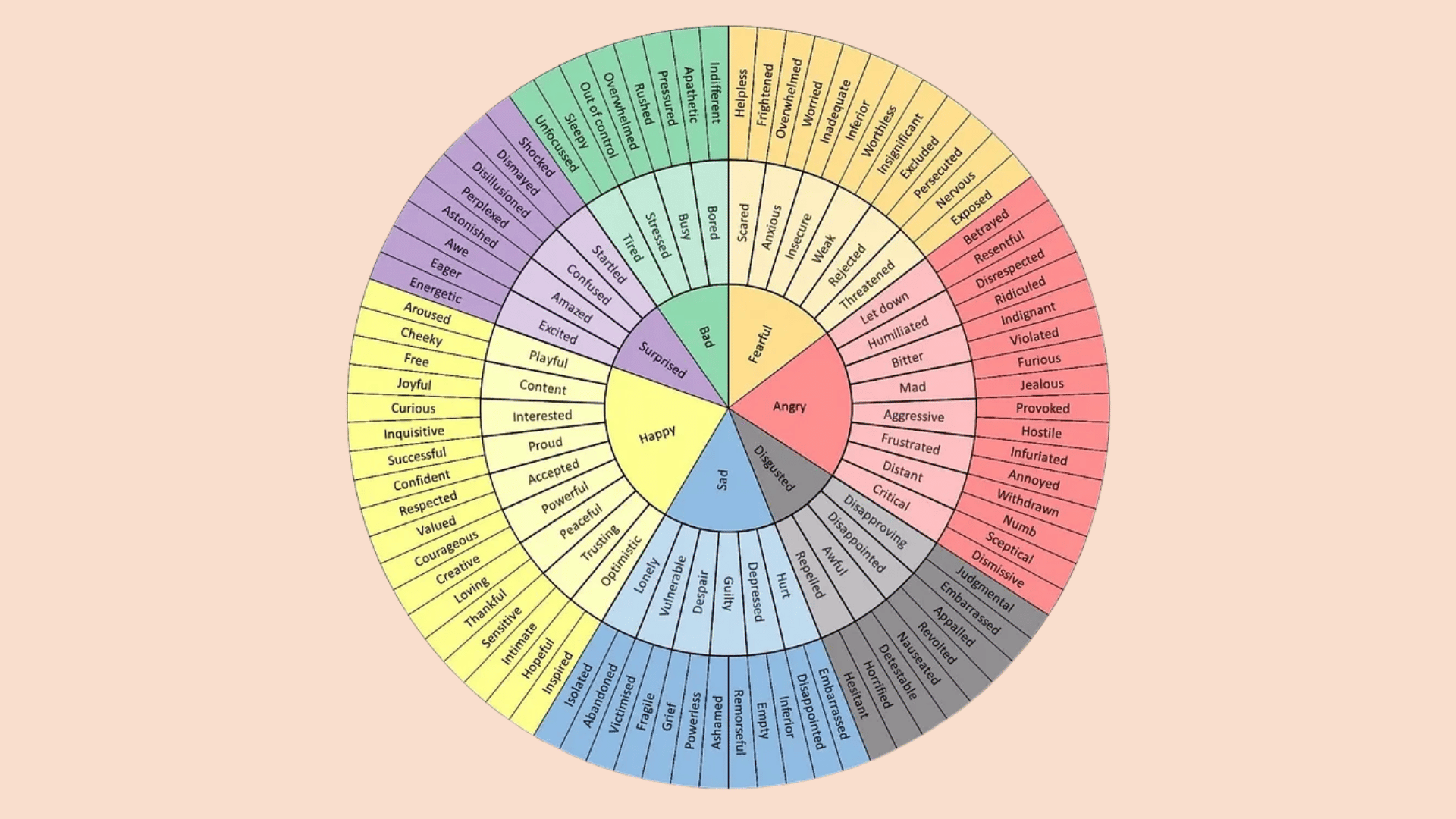
How are you feeling? I really dislike that question, especially when my therapist asks it. I learned pretty quickly in therapy that an acceptable answer is not, “good” or “I’m fine.” Good is not a feeling, he tells me. A better question is what are you feeling, can you name the emotion? “No! I can’t,” I sometimes stubbornly respond. But most of the time I just say, “I don’t know.”
Beyond Measure
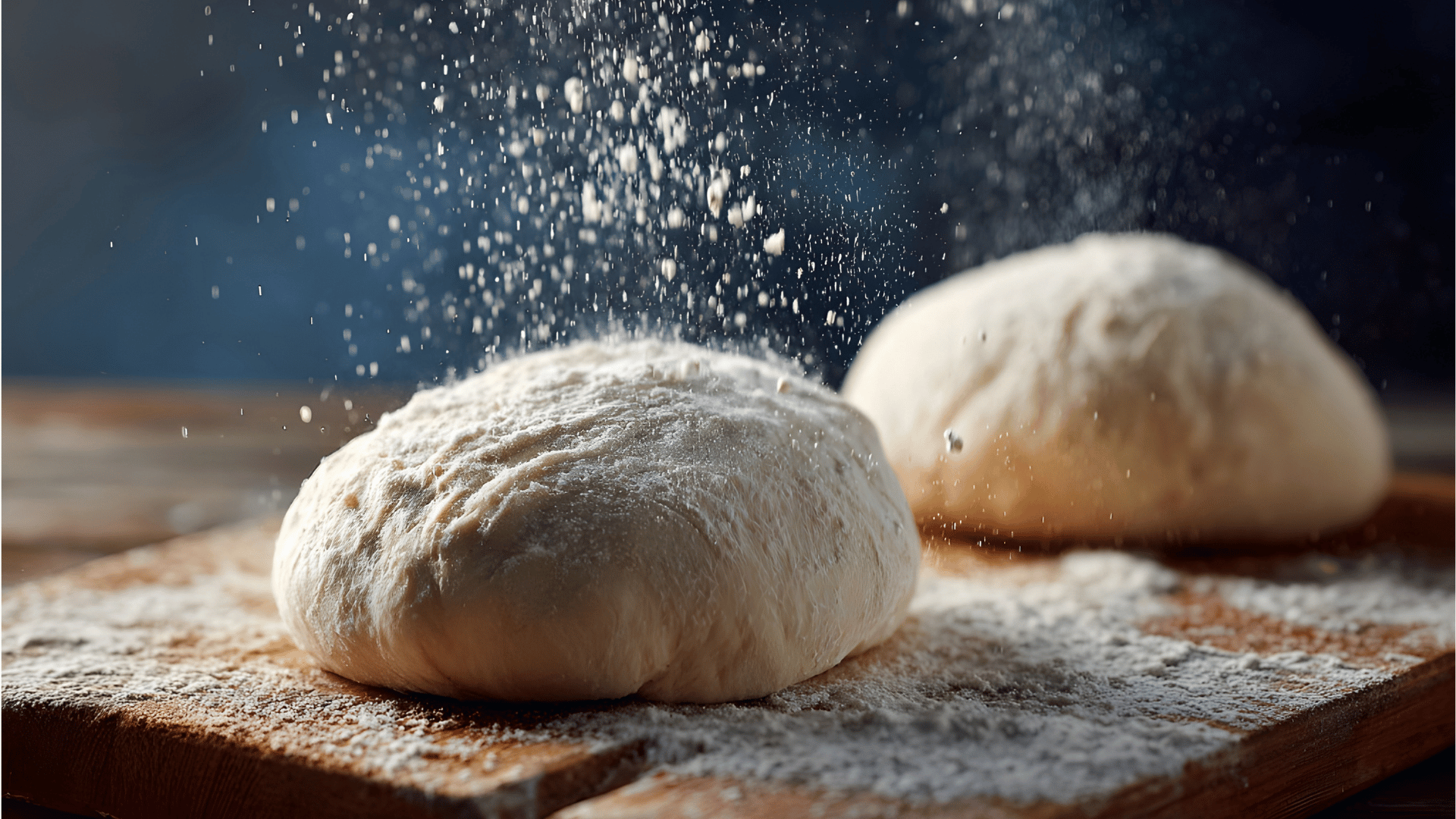
How does an I Love Lucy scene about dough and yeast relate to a parable of Jesus in which a woman hides yeast in three measures of flour? The Greek word suggests encryption. What is going on here? In this sermon, Pr. Mueller describes yeast as the ferment that brings about the kingdom of God. Learn some very surprising things about this simple parable.

Wheat and weeds
Scripture readings like this one are understandably difficult for many of us to talk about. We know how quickly conversations about readings like this can become conversations about good people versus bad people, the righteous versus the sinners. Historically, Christianity has used the language of evil to divide, condemn, and justify harm.
Don’t Miss It!
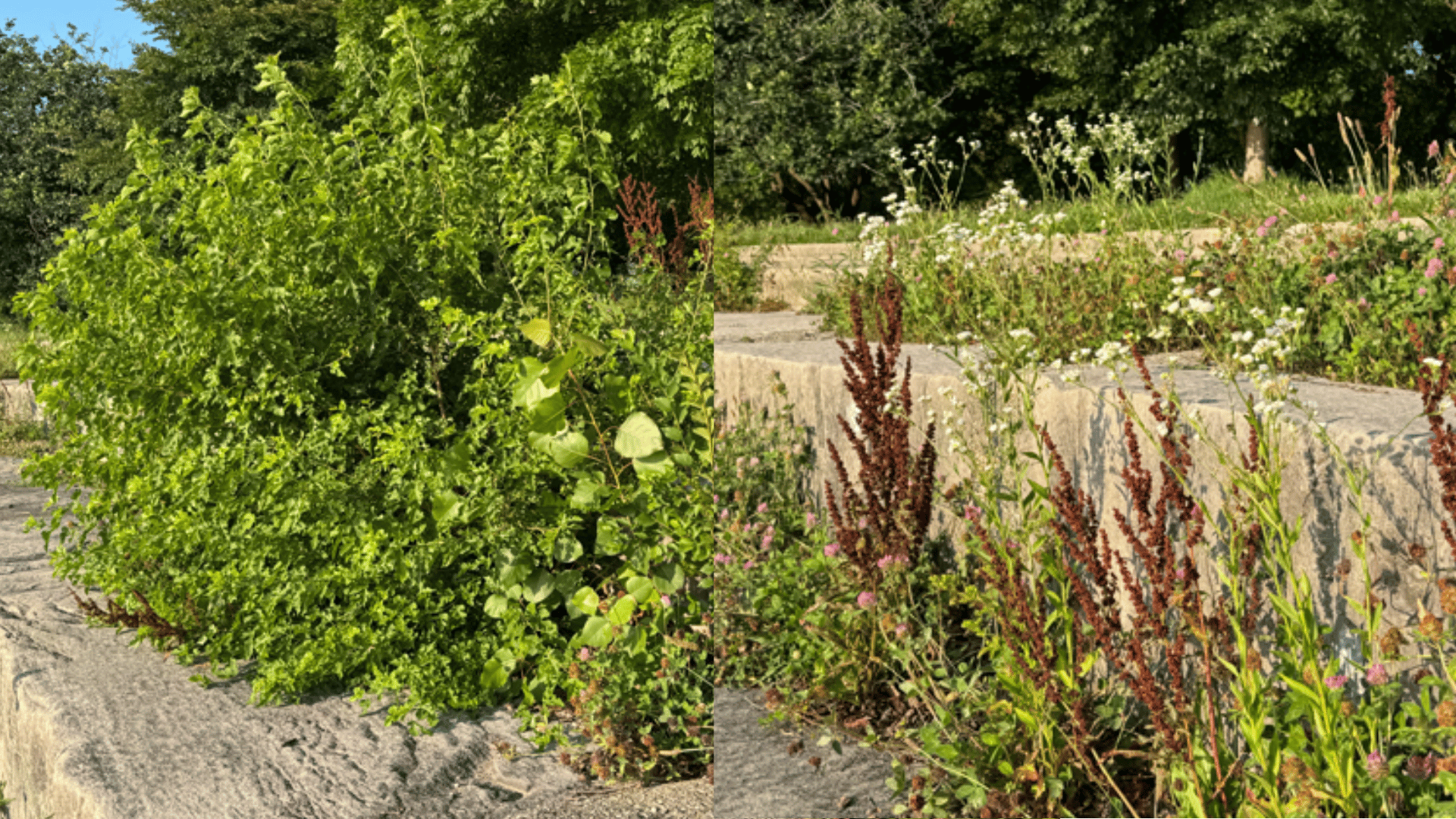
This past week I was in a bit of a funk because inspiration for this sermon was not coming. So, I decided to walk to the lake. Nature can provide inspiration and can be one of our best spiritual guides.
Quandaries
I love the word quandary. It expresses so much about life.
As humans we have to make choices. Yet we are limited by our cognitive capacity. Which often leads to information overload. The result: quandaries.

Does God cry too?
Does God cry too? That’s the question a young girl asked her dad many years ago. My wife Julie shared a childhood memory with me when we were discussing this morning’s readings. She was four or five years old, playing with dolls, when a thump at the window drew her attention.
The harvest is plentiful
"The harvest is plentiful, but the laborers are few." It’s easy to hear those words as a challenge. The church needs volunteers. The world needs people to step up. We need more people to work harder to fix the world’s brokenness.
But before Jesus even mentions laborers, he does something else: he sees.

Now what?
Sometimes, I wish I could just pick up the phone and call my mom. She died ten years ago; and even though we didn’t talk on the phone every day, or even every week, there are times now when I wish I could simply talk with her again. To hear her voice. Or tell her about my kids, who are now young adults; she’d be so proud and delighted. Or to ask her how she made the potato salad taste just right.

The promise of the Holy Spirit
Happy Mother’s Day! This week I found myself thinking of all the ways my mother has poured wisdom into me, helped me to understand the world in new ways, and equipped me for life. Before my mother taught me to read, she would read stories to me, and sing songs that taught me important lessons about faith, community, and how to live well. She taught me that the best stories always teach us a lesson, they speak truth to our hearts, and send us out into the world changed.
Do you know where you’re going to?
Jesus tells them that they know the way to the place he is going. Befuddled Thomas says what everyone is thinking. Lord, we have no idea where you are going. How can we possibly know the way?